
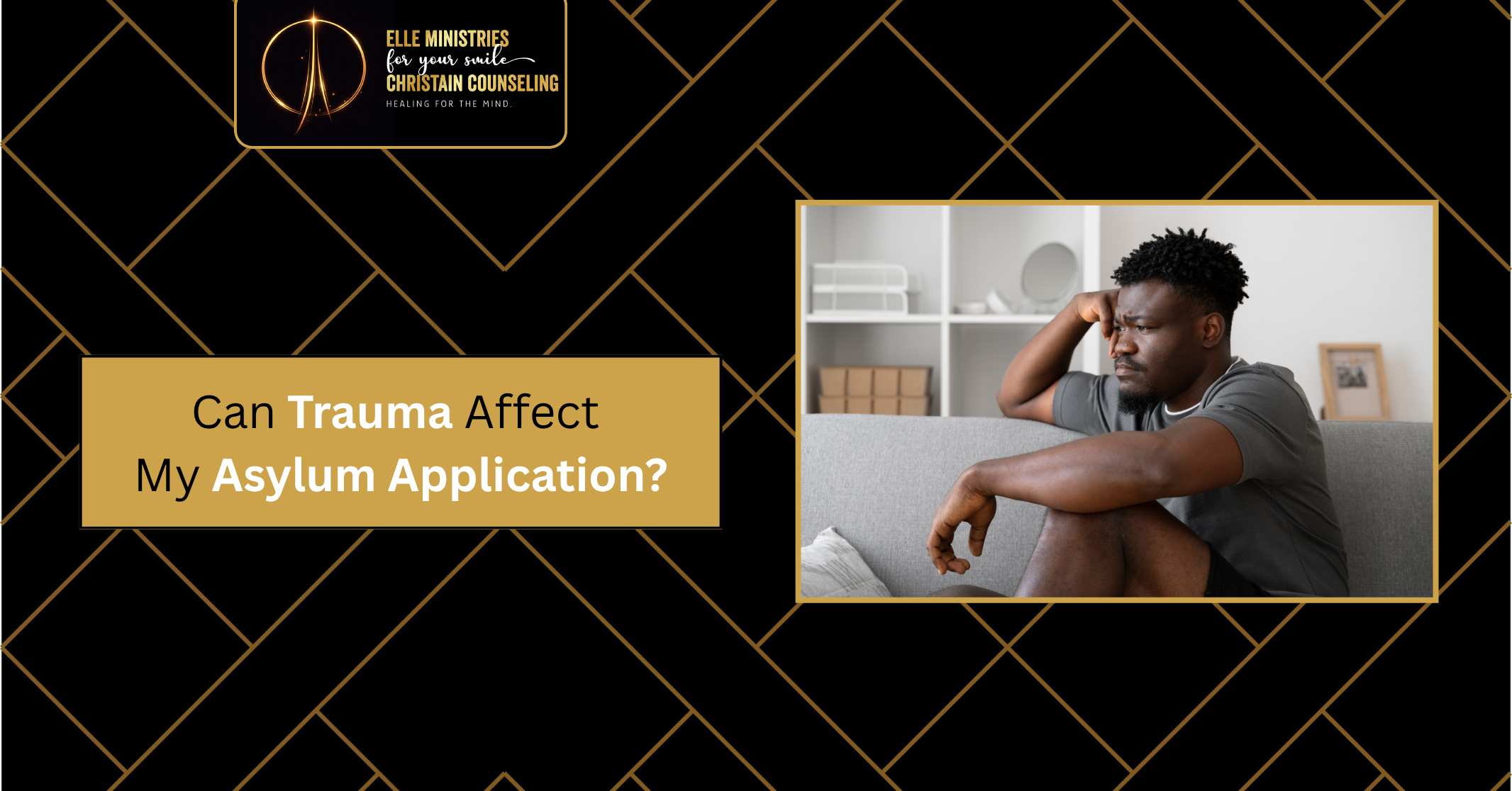
When Mark sat down with his lawyer, he thought he was ready.
He had practiced his story many times. He knew why he had left his home. He knew the fear he had lived with. He knew the people who had hurt him.
But when the questions began, everything felt different.
His hands started to shake. His heart raced. He could remember some moments clearly, but other parts felt mixed up. He could not remember the exact dates. Some memories came back all at once. Others seemed to disappear.
After the meeting, Mark felt scared.
“What if they think I am lying?”
Many people seeking asylum share this same fear. Trauma can impact memory in the brain and the way a person speaks to others about painful events. This can make the asylum process even more difficult.
The good news is that mental health professionals understand this. A professional psychological evaluation shows how trauma impacts memory, emotions and daily life.
At For Your Smile Christian Counseling, we offer Immigration Psychological Evaluations. These evaluations document the emotional and psychological effects of trauma. We provide key clinical evidence to support asylum applications.
Understanding Trauma and Its Lasting Effects
Trauma is the emotional and psychological reaction to intensely frightening or traumatic experiences. It may occur as a result of one experience or repeated painful experiences over time.
People seeking asylum may have survived:
- Physical abuse
- Emotional abuse
- Sexual violence
- Torture
- Political persecution
- Religious persecution
- Gang violence
- Domestic violence
- Human trafficking
- War and armed conflict
Trauma lasts even after a person is safe. Its effects continue long after the danger is over.
Many survivors live with:
- Fear
- Anxiety
- Depression
- Nightmares
- Flashbacks
- Difficulty sleeping
- Trouble concentrating
- Memory problems
These symptoms can hinder telling a clear story in an immigration interview.
Can Trauma Affect My Asylum Application?
The answer is yes.
Mark struggled not with the memories themselves, but with recalling them in the order his attorney needed. Some were clear, while others felt distant. He feared that missing a date or detail would cast doubt on his story.
This experience is common among trauma survivors.
Trauma can affect almost every part of the asylum process because it changes how the brain responds to stressful memories.
A person may:
- Forget important dates
- Mix up the order of events
- Leave out painful experiences
- Become emotional during interviews
- Shut down when discussing abuse
- Avoid talking about certain memories
An asylum application often depends on sharing your story.
Immigration officials seek to know why you fear returning home.
If your story changes slightly or some details are missing, questions may come up. If a person does not recognize the differences, they may think that the story is not authentic.
In many cases, the opposite is true.
If you’ve been severely traumatized, recounting the events can be hard. Your brain may store those memories in a different way.
This is why professional mental health documentation can be so valuable. It helps explain why trauma affects memory and communication.
Why Trauma Affects Memory
Many people think a person should remember every part of a scary event. But that is not always true.
When something very scary happens, the brain tries to keep the person safe. It does not always save memories in the right order.
Because of this, a person may clearly remember:
- Certain images
- Sounds
- Smells
- Specific conversations
- Strong emotions
At the same time, they may struggle to remember:
- Exact dates
- The order of events
- Specific locations
- The amount of time between incidents
These memory challenges are well recognized in mental health care. A professional psychological evaluation helps explain these symptoms within a clinical context.
How Trauma Can Change Behavior during an Interview
Immigration interviews can feel overwhelming for trauma survivors.
Being asked to relive painful experiences may trigger intense emotional reactions.
Some people may:
- Cry unexpectedly
- Become quiet
- Appear nervous
- Avoid eye contact
- Pause before answering
- Forget what they were saying
- Show signs of panic
Trauma can be misunderstood without context. A psychological evaluation shows these reactions are due to trauma, not deception.
The Importance of Immigration Psychological Evaluations
An Immigration Psychological Evaluation provides an objective clinical assessment of a person’s mental and emotional health.
It is completed by a qualified mental health professional who carefully listens to the individual’s experiences and evaluates the psychological impact of those experiences.
The evaluation may include:
- A detailed clinical interview
- Mental health screening
- Assessment of trauma symptoms
- Review of emotional functioning
- Professional clinical observations
The final report explains how trauma affects the person’s daily life, emotional health, and ability to recall difficult experiences.
This report becomes valuable supporting evidence in an asylum case.
How Psychological Evaluations Strengthen Asylum Cases
Every asylum case depends on evidence.
Personal testimony matters, but a psychological evaluation adds independent clinical proof. This supports the applicant’s story.
A strong evaluation may help explain:
- Memory gaps
- Delayed disclosure of abuse
- Emotional distress
- Anxiety during interviews
- Post-traumatic stress symptoms
- Depression related to persecution
This extra evidence helps immigration officials see how trauma affects the applicant.
Rather than focusing only on inconsistencies, decision-makers can see the full picture.
Common Mental Health Conditions Seen in Asylum Cases
Trauma affects everyone differently.
Some people develop mental health conditions.
These may include:
Post-Traumatic Stress Disorder (PTSD)
PTSD can develop after life-threatening or terrifying experiences.
Symptoms may include:
- Flashbacks
- Nightmares
- Hypervigilance
- Avoiding reminders of trauma
- Strong emotional reactions
Depression
Many asylum seekers struggle with depression after losing loved ones, leaving their homes, or surviving abuse.
Like Mark, some people begin to lose hope about the future or find it difficult to enjoy activities they once loved.
Symptoms may include:
- Sadness
- Loss of hope
- Low energy
- Difficulty making decisions
- Changes in sleep
Anxiety Disorders
Constant fear during persecution can continue even after reaching safety.
People may experience:
- Panic attacks
- Constant worry
- Difficulty relaxing
- Trouble sleeping
- Fear of authority figures
A professional evaluation identifies these conditions and their connection to the individual’s experiences.
What Happens During an Immigration Psychological Evaluation?
Many people are worried about their appointment. This can help make the process more comfortable if you know what to expect.
At For Your Smile Christian Counseling, we provide a safe and supportive space for individuals to share their stories at their own pace.
During the evaluation, we may discuss:
- Personal background
- Experiences before leaving the home country
- Traumatic events
- Current emotional symptoms
- Daily functioning
- Mental health concerns
There are no right or wrong answers. The aim is really to know how the events of the past affect a person emotionally today.
After the assessment, we create a clear clinical report. This report presents our findings on how trauma affects memory, emotions, communication and other psychological issues in asylum seekers.
Who May Benefit?
You may benefit from an Immigration Psychological Evaluation if you:
- Experienced violence, persecution, or abuse
- Have difficulty remembering parts of your story
- Have experienced violence or persecution
- Find it difficult to remember parts of your story
- Feel upset when talking about the past
- Have nightmares
- Have ongoing anxiety or depression
- Become emotionally distressed during legal interviews
- Want professional documentation of your trauma
Every evaluation is individualized and based on a comprehensive clinical assessment performed by a qualified mental health professional.
Final Thoughts
Mark’s story reflects what many asylum seekers experience. Even when someone is telling the truth, trauma can affect much more than emotions. It can change memory, concentration, communication and the ability to explain painful experiences clearly.
These effects are common among asylum seekers and should never be mistaken for dishonesty.
An Immigration Psychological Evaluation can explain these effects.
It gives professional information that may help support an asylum application.
If you have experienced trauma, For Your Smile Christian Counseling is here to help.
Our Immigration Psychological Evaluations provide caring support and professional documentation for your asylum application.
Contact us today to schedule a private evaluation.
FAQs
Should I tell my lawyer about my trauma?
Yes. Tell your lawyer about everything that happened. This helps your lawyer prepare your case and gather helpful evidence.
Can a psychological evaluation guarantee that I will get asylum?
No. A psychological evaluation cannot guarantee approval. But it can provide professional evidence that supports your story and helps explain how trauma has affected you.

No comment