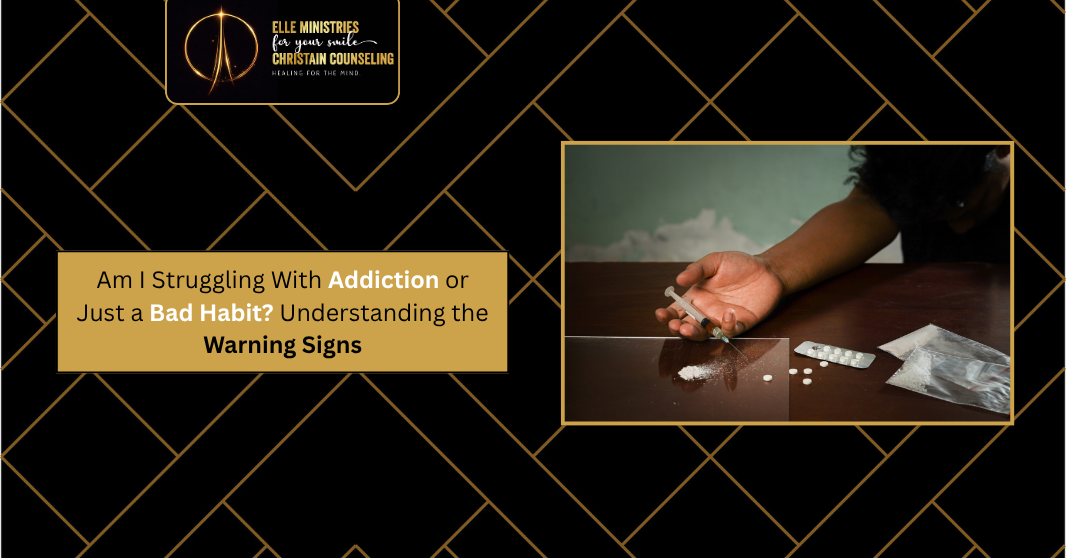
When a Small Habit Becomes a Bigger Problem: Ethan’s Story
Ethan was the person everyone could rely on.
He was a dad who never missed a soccer game, a husband who remembered birthdays and anniversaries and a friend who was always there when they were needed. He had a decent position, a nice house and a hilarious laugh. His life was full; he was glad about it.
But then things began to change.
But then things began to change.
It didn’t happen overnight. It started small.
At first, Ethan had a beer after work to relax. Soon, he was having two. Then, three on weekends. He thought it was just a way to relax.
Everyone needs a break, right?
But his breaks started to last longer.
Ethan noticed he thought about his evening drink earlier each day. By lunchtime, he’d drift toward the cold bottle waiting for him at home. If something interrupted his routine, he’d get irritated.
If his wife asked him to pick up the kids from practice, he might snap at her. Later, he’d feel guilty. But in that moment, getting home for his drink seemed more important.
Then Ethan tried to cut back.
He really did try.
Each morning, he’d tell himself, “Tonight, I’m only having one.”
But often, one drink turned into three.
He attempted to drink only on weekends. That lasted about two days.
He tried keeping alcohol out of the house. But soon, he found himself driving to the store just before closing, feeling a pull he couldn’t explain.
Each failed attempt made him feel worse.
He grew ashamed. He hid empty bottles at the bottom of the trash so his wife wouldn’t see them. He wondered what was wrong with him.
Was he simply weak?
Or was this more than a bad habit?
If you relate to Ethan’s story, you’re not alone. Many ask themselves the same question:
“Am I struggling with addiction, or is this just a bad habit?”
It’s a tough question. It can even be scary to say it out loud.
But recognizing what’s happening can be an important first step toward getting help and moving to a healthier life.
At For Your Smile Christian Counseling, we support people and families dealing with addiction. We focus on faith, honesty, accountability and compassionate Christian counselling.
So, how can you tell the difference?
What Is the Difference Between a Bad Habit and Addiction?
A habit is a behavior we frequently repeat. Some habits promote health, such as:
- Brushing our teeth
- Exercising
Others may be detrimental, including:
- Excessive social media use
- Eating without hunger
- Staying up too late
While a bad habit can be challenging to break, individuals often manage to stop or alter it when they choose to.
Addiction is different.
Addiction is the craving for something or the need to do something, even though it is harmful. An individual may want to quit but is unable to. Over time, the behavior can become a way of life.
Addiction isn’t simply a sign of weakness, laziness or lack of conviction. It can impact:
- The brain
- Emotions
- Relationships
- Decisions
Addictive behaviors may be a way to try to avoid feeling sad, stressed, lonely, afraid or hurt. So, as it is, shame alone is not enough to cure addiction.
Knowing about the problem and getting an intervention is better.
Warning Signs That a Habit May Be Becoming an Addiction
Not every repeated behavior means addiction. However, several warning signs deserve attention.
- You Keep Trying to Stop, But You Cannot
One of the most telling signs is repeated, unsuccessful attempts to quit or cut back. You tell yourself “this is the last time.” You make promises. You throw things away or delete apps. Yet you return to the behavior again and again.
This pattern, a persistent desire or unsuccessful effort to cut down or control use, is one of the core criteria for substance use disorder in the DSM-5.
- You Need More to Feel the Same Effect
Tolerance is a key feature of addiction. Over time, you may need more of a substance. You might also need more time spent on a behavior. This is to feel the same way you did before with less.
After repeated exposure, the response of the brain is diminished. A thing formerly pleasurable has become nothing but a burden. This is not a moral failing; it is a biological response.
- Your Life Is Falling Apart Because of It
A bad habit might annoy you. An addiction actively destroys things in your life.
You may be:
- Missing work or performing poorly
- Arguing with loved ones or pulling away from them
- Having financial problems because of the behavior
- Neglecting your health, appearance, or responsibilities
- Giving up activities you once enjoyed
If the behavior goes on and causes serious problems or distress, it might qualify as a substance use or addictive disorder.
- You Feel Sick When You Try to Stop
When you stop or cut down on it, withdrawal is the physical and emotional response to the absence. It is a definite sign of dependency. You might feel:
- Anxious, irritable, or depressed
- Unable to sleep
- Shaky or physically unwell
- Intense cravings that are hard to resist
Your body and brain have adjusted to the substance or behavior for these reasons. Now, they struggle to function without it.
- You Hide It and You Lie About It
People with bad habits do not usually go out of their way to hide them. But secrecy and shame go hand-in-hand with addiction.
You might hide supplies. You could also lie about how much is used or make excuses for your actions. Shame can exacerbate bullying. It makes you want to keep using it, isolates you from support and drives you into a vicious cycle of secrecy and use.
Addiction Can Take Many Forms
Many people think addiction is just about drugs or alcohol. While substance addiction is serious, other behaviors can be addictive too.
Some people struggle with:
- Alcohol or drug use
- Gambling
- Pornography
- Compulsive sexual behavior
- Gaming
- Shopping
- Food-related behaviors
- Excessive internet or social media use
Research on behavioral addiction highlights six key characteristics:
- Salience (the activity takes over your life)
- Euphoria (it gives you a “high”)
- Tolerance (you need more to feel the same)
- Withdrawal (you feel bad without it)
- Conflict (it creates problems in your life)
Reinstatement (you go back to it even after trying to quit)
Key questions to ask:
- Can you control the behavior?
- Does it continue despite causing harm?
- Is it impacting your relationships, work, finances, health, or responsibilities?
If you answered yes, consider seeking professional support.
Why Do People Develop Addictive Patterns?
Addiction rarely has a single cause. People often turn to substances or behaviors for relief from:
- Stress
- Anxiety
- Loneliness
- Sadness
- Pain
This offers only a temporary escape, leading to a painful cycle:
- Stress triggers the behavior
- Behavior provides short-term relief
- Relief fades
- Problems resurface
- Behavior is repeated
The brain’s reward system is key in addiction. Substances and certain behaviors flood the brain with dopamine, reinforcing the behavior. Over time, natural rewards become less satisfying.
Research indicates addiction can harm the prefrontal cortex, which governs decision-making and self-control and shows reduced activity in this area for those addicted, making it harder to quit despite knowing the risks.
Addiction Does Not Make You a Bad Person
If you are reading this and your heart is pounding because these signs feel familiar, please hear this:
- You are not a bad person
- You are not worthless
- You are not a failure
Addiction doesn’t mean you lack love for your family or future. It can affect anyone, impacting health and relationships.
Shame can exacerbate the issue and create isolation. You need not face it alone. Seeking help is a courageous act.
There Is Hope for Healing
Addiction can feel powerful, but hope is powerful too.
With the right support, people can learn to understand their patterns, address the issues contributing to their struggles, rebuild relationships and take meaningful steps toward recovery.
At For Your Smile Christian Counseling, we believe people dealing with addiction deserve care, honesty, faith and support.
We serve people in Savannah, Springfield and Coastal Georgia through Christian counseling and accountability.
Sessions are led by Dr. Lakesha Dean, an ordained minister and Christian counselor with more than 15 years of experience.
Our counseling can help people look at the deeper issues connected to their struggles.
Our approach recognizes that recovery can involve more than simply trying harder. We can explore:
- Choices and behaviors
- Emotions and personal struggles
- Relationships
- Unhealthy patterns
- Challenges connected to addiction
Faith can also become an important part of the recovery journey.
Through Christian counseling, we create a safe space to talk honestly about struggles without pretending everything is fine. Accountability can help people recognize unhealthy patterns, stay focused and work toward meaningful changes.
We do not provide medical detox, medicine, or formal diagnoses. Some people may need medical care as part of recovery. If this is needed, we can help connect them with trained medical professionals. We can also continue to support the person and their family through Christian counseling and accountability.
You Do Not Have to Face This Alone
If Ethan’s story sounds like your story, or if you recognize several of these warning signs in your own life, consider reaching out today.
At For Your Smile Christian Counseling, we are here to walk alongside you with compassion, faith and professional guidance.
To learn more or speak with our team:
Phone: (912) 891-4000
Email: careteam@foryoursmile.org
Website: https://foryoursmile.org
FAQs
Can a bad habit become an addiction?
Yes, habits can evolve into serious issues that affect life control.
Can gaming become an addiction?
Yes, WHO identifies gaming disorder as losing control and prioritizing gaming despite problems.
No comment